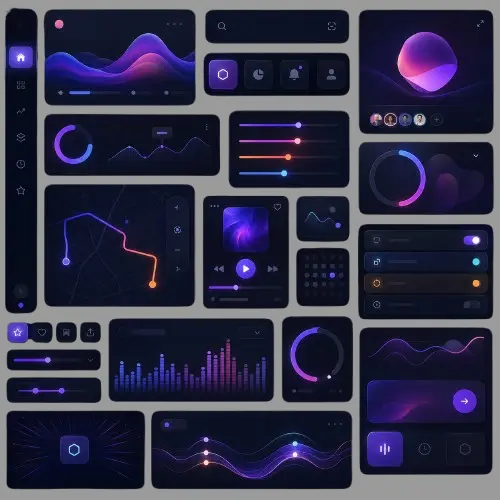
Design Without Words Is Decoration
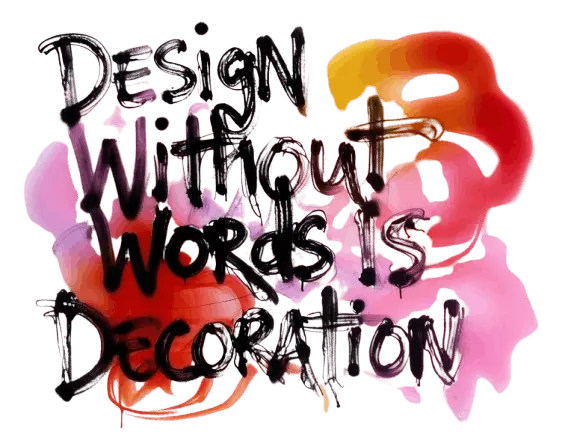
Great design is more than aesthetics. Discover why visual communication, brand strategy, and purposeful design separate meaningful experiences from mere decoration.
What Makes Design More Than Decoration?
Design is often evaluated by appearance alone. Beautiful layouts, modern typography, and attractive colors can capture attention, but appearance is only one layer of effective design. The true purpose of design is communication. Every visual decision should help deliver a message, guide behavior, reinforce a brand identity, or create a meaningful emotional response.
The phrase 'Design Without Words Is Decoration' highlights an important distinction between visual styling and purposeful communication. A design that looks impressive but fails to communicate a message may attract attention, yet it cannot create understanding, trust, or action. In that case, design becomes decoration rather than communication.
If you liked this sectionModern Techniques in Frontend DesignWhether we are talking about branding, graphic design, web design, or user experience design, the objective remains the same: helping people understand something. Strong design creates clarity. It allows users to navigate products, recognize brands, and absorb information without friction.
- Communicates ideas clearly
- Supports business goals
- Builds trust and credibility
- Creates memorable brand experiences
- Guides users toward meaningful actions
Design Is a Visual Language
Human beings interpret visual information long before they read text. Shapes, colors, spacing, imagery, and typography all carry meaning. Together, these elements create a visual language capable of communicating powerful ideas without a single sentence.
If you liked this sectionContent Clusters for GEO: How to Build Topical Authority That AI Engines TrustColors can evoke emotions. Typography can signal authority, elegance, innovation, or playfulness. Layout structures can guide attention and establish hierarchy. Every visual choice contributes to the story being told.
This is why successful brands invest heavily in visual communication. Their visual systems are carefully designed to express values, personality, and positioning. Audiences may not consciously analyze every design decision, but they still receive and interpret the message.
A luxury brand often uses minimalist layouts, refined typography, and generous white space to communicate exclusivity. A technology startup may use bold colors, geometric forms, and energetic interfaces to communicate innovation and speed. Neither approach is random. Every decision supports a specific message.
The Difference Between Design and Decoration
Decoration exists to beautify. Design exists to solve problems. While both can be visually appealing, they serve fundamentally different purposes.
Decoration focuses primarily on aesthetics. It can make something look attractive, modern, or trendy. Design, however, begins with objectives. Designers ask who the audience is, what information needs to be communicated, what emotions should be created, and what actions should follow.
When visual decisions are made without strategy, the result often looks impressive but performs poorly. Websites become difficult to navigate. Brands become forgettable. Products become harder to understand. Attractive visuals alone cannot compensate for weak communication.
- Decoration prioritizes appearance
- Design prioritizes communication
- Decoration attracts attention
- Design creates understanding
- Decoration is subjective
- Design is measured by outcomes
How User Experience Design Communicates Without Words
One of the clearest examples of communication through design can be found in user experience design. A great user interface often feels effortless because it communicates what users should do next without requiring instructions.
When users visit a website or open an application, they immediately begin interpreting visual cues. Button placement, spacing, contrast, typography, iconography, and visual hierarchy all help users understand how a product works. When these elements are designed effectively, users can navigate naturally and accomplish their goals with confidence.
Poor user experience design often results from prioritizing aesthetics over communication. A visually stunning interface may still fail if users cannot find information, complete tasks, or understand navigation. In these situations, design becomes decoration rather than a functional communication tool.
The best UX designers focus on clarity before beauty. Visual appeal remains important, but it supports communication rather than replacing it. Every interaction should answer a question, reduce uncertainty, or guide a user toward success.
- Clear navigation reduces confusion
- Strong visual hierarchy improves comprehension
- Consistent interfaces build user confidence
- Accessible design improves usability
- Thoughtful interactions create trust
The Role of Design Thinking in Meaningful Design
Design thinking is a problem-solving methodology that places people at the center of the design process. Instead of asking how something should look, design thinking begins by asking what problem needs to be solved.
This mindset separates strategic design from superficial decoration. Designers who embrace design thinking spend time researching audiences, understanding behaviors, identifying pain points, and testing solutions before making visual decisions.
Every successful design project starts with empathy. Designers seek to understand users' motivations, challenges, and expectations. Once those insights are gathered, visual communication becomes far more effective because it is rooted in real human needs.
A beautiful design that ignores user needs may win awards, but a purposeful design that solves real problems creates lasting value. Businesses, products, and brands achieve stronger results when design is treated as a strategic process rather than an artistic afterthought.
Why Strong Branding Depends on Communication
Branding is often misunderstood as logos, colors, and visual identity. While these elements are important, branding is fundamentally about communication and perception.
A brand represents the promise, personality, values, and reputation of an organization. Design helps communicate these qualities consistently across every touchpoint. Customers form impressions long before they read detailed information about a company.
Strong brand design creates recognition and trust. Weak brand design creates confusion. If visual elements fail to communicate a clear identity, audiences struggle to understand what makes a company different from competitors.
This is why successful brands maintain consistency across websites, social media, packaging, advertising, and customer experiences. Consistency reinforces meaning. Every interaction strengthens the same message and builds familiarity over time.
- Communicates brand personality
- Creates emotional connections
- Builds recognition and recall
- Differentiates from competitors
- Strengthens customer trust
Case Studies: When Design Becomes Communication
Many of the world's most recognizable brands demonstrate how design can communicate powerful messages without relying heavily on words.
Apple uses simplicity, clean layouts, and minimal visual clutter to communicate innovation, quality, and ease of use. The design language extends from product packaging to retail stores and digital experiences.
Nike combines bold imagery, strong typography, and energetic visual systems to communicate movement, ambition, and achievement. Even without reading marketing copy, audiences can immediately understand the brand's positioning.
Airbnb redesigned its visual identity to emphasize belonging and human connection. Through imagery, color systems, and interface design, the company communicates a feeling rather than simply presenting a service.
These examples demonstrate that successful design is never random. Every visual choice contributes to a broader communication strategy. The result is not decoration but meaning.
Principles for Creating Meaningful Design
Design that communicates effectively rarely happens by accident. Behind every successful visual system is a set of principles that guide decision-making and ensure every element contributes to a larger objective.
Whether you are working on a website, mobile application, brand identity, marketing campaign, or product interface, meaningful design begins with intentionality. Every visual decision should support communication and user understanding.
- Start with a clear communication goal
- Understand the target audience
- Prioritize clarity over complexity
- Use visual hierarchy intentionally
- Maintain consistency across touchpoints
- Measure design success through outcomes
- Design for accessibility and inclusivity
- Support business objectives with every design decision
One of the most common mistakes designers make is adding visual elements simply because they look appealing. While aesthetics matter, every color, icon, animation, image, and layout choice should reinforce the intended message. If an element does not contribute to communication, it should be questioned.
The strongest design solutions often feel simple because unnecessary distractions have been removed. Simplicity is not the absence of creativity; it is the result of thoughtful prioritization.
The Future of Design Is Strategic Communication
As digital experiences become increasingly competitive, businesses need more than beautiful visuals. They need design systems that communicate value, build trust, and create memorable experiences.
Artificial intelligence, automation, and modern design tools have made visual production easier than ever. However, tools cannot replace strategic thinking. The ability to communicate clearly through design remains one of the most valuable skills in branding, UX design, product design, and marketing.
Organizations that treat design as a communication tool gain a significant advantage. Their products are easier to use, their brands are easier to remember, and their messages are easier to understand.
Conclusion
Design is not decoration. Design is communication.
Beautiful visuals can attract attention, but communication creates understanding. A successful design does more than look impressive; it informs, persuades, guides, and connects. Every color, shape, image, and interaction should support a larger purpose.
The next time you evaluate a design, ask a simple question: What is it trying to say? If the answer is unclear, the design may be decorative. If the answer is immediate and meaningful, the design is doing its job.